
Introduction
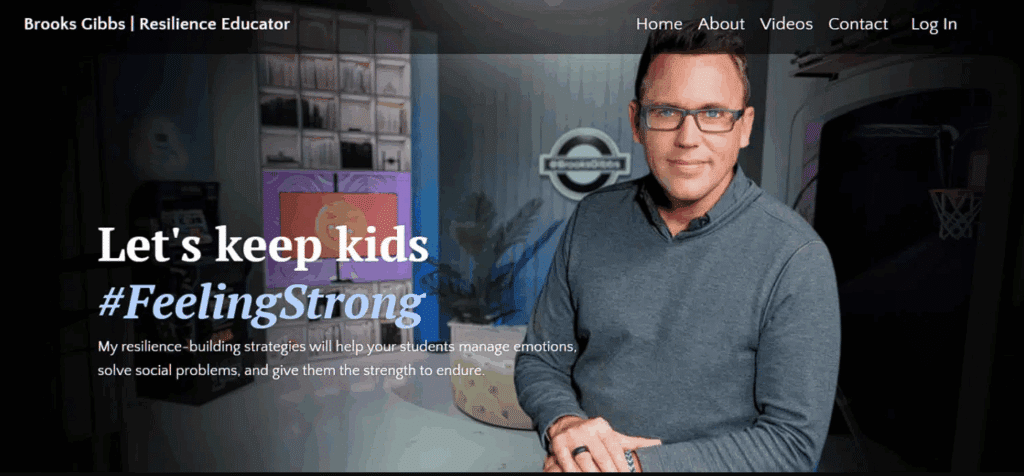
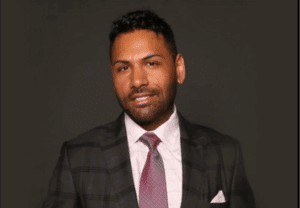
Brooks Charles Gibbs has carved out a notable presence in the educational landscape, positioning himself as a resilience educator and anti-bullying advocate. With over 3,000 school engagements and a robust online following, Gibbs’s message of emotional resilience and adherence to the Golden Rule resonates with many. His videos, translated into 20 languages and viewed over 300 million times, underscore his influence (Brooks Gibbs Website). Yet, beneath this polished public image lies a web of controversies that challenge his credibility and raise questions about the safety and efficacy of his teachings. We have conducted a comprehensive investigation into Gibbs’s credentials, business relations, personal profiles, and potential risks, uncovering a complex figure whose work demands scrutiny.
Personal Profile and Public Persona
Brooks Charles Gibbs is a self-described social psychologist and resilience educator based in Clearwater, Florida. His professional journey began over two decades ago when his wife, Jill, booked his first school assembly, a pivotal moment that led to over 3,000 speaking engagements across North America (Brooks Gibbs Website). Gibbs’s core message revolves around two principles: emotional resilience, which encourages individuals not to let negative experiences affect them, and the Golden Rule, which promotes treating others with kindness. His high-energy keynote presentations and viral videos have made him a recognizable figure in the realm of youth education, particularly in addressing non-criminal aggression both online and offline (All American Speakers).
Gibbs maintains an active online presence through platforms like YouTube (Brooks Gibbs YouTube) and Facebook (Brooks Gibbs Facebook), where he shares educational content. He has authored books, including Love Is Greater Than Hate, which has garnered modest attention (Goodreads – Brooks Gibbs). Additionally, Gibbs is involved in local activism in Florida, notably for anti-Scientology efforts through initiatives like Reconnect Clearwater and Save the Garden, earning him favorable local media coverage.
Credentials Controversy
A central issue in our investigation is the legitimacy of Gibbs’s academic credentials. Gibbs claims to hold a Ph.D. in social psychology from Atlantic International University (AIU), an institution based in Honolulu, Hawaii. However, AIU is widely regarded as an unaccredited degree mill, not recognized by the U.S. Department of Education or any legitimate psychology bodies (Wikipedia – Atlantic International University). AIU’s accreditation comes from the Accreditation Service for International Schools, Colleges, and Universities (ASIC), which is primarily for visa purposes and does not confer official recognition in the U.S. or U.K. AIU has faced legal scrutiny in Hawaii for falsely claiming accreditation, further undermining its credibility.
Inconsistencies in Gibbs’s reported educational background add to the controversy. Some sources indicate he holds three degrees from AIU, while others mention two, alongside a bachelor’s in biblical studies. Gibbs is not licensed as a psychologist and lacks affiliation with the American Psychological Association, yet he markets himself as a “social psychologist” and “school psychologist” (Facebook – Brooks Gibbs). This misrepresentation raises significant ethical concerns, particularly given his influence over vulnerable youth audiences.
Public Mistrust and Criticism
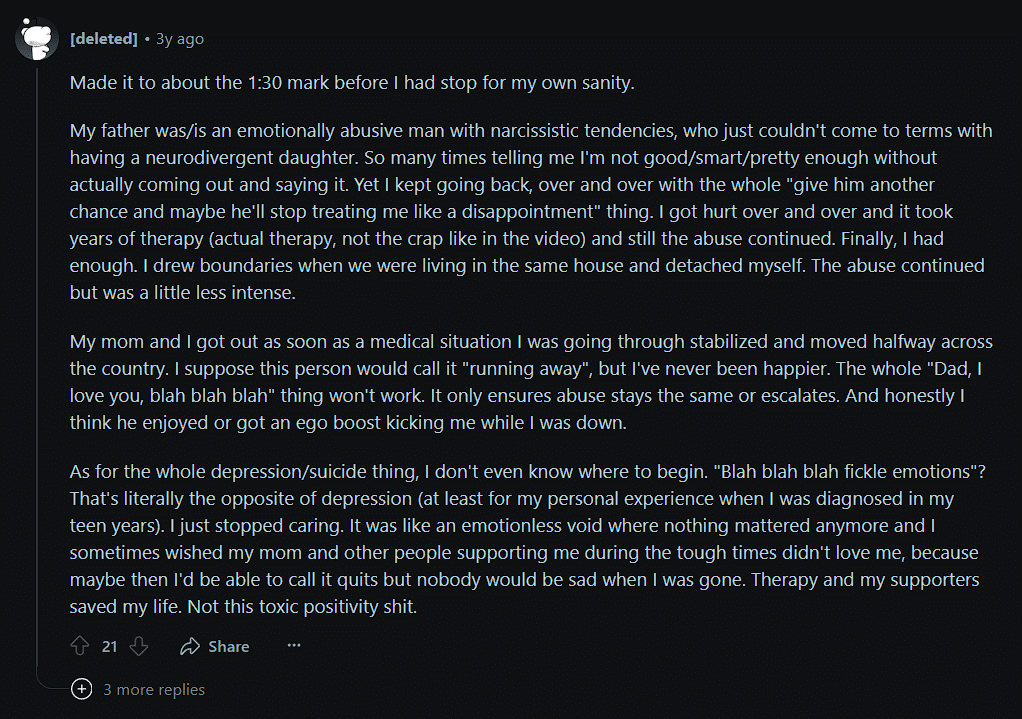
Gibbs’s teachings have sparked considerable backlash, particularly on online platforms like Reddit. Critics, including mental health professionals and educators, argue that his approach to bullying—advising victims to befriend their bullies or to emotionally detach from abuse—is not only ineffective but potentially harmful (Reddit – r/bullying). Such advice is seen as promoting victim-blaming and emotional suppression, which could deter individuals from seeking necessary support.
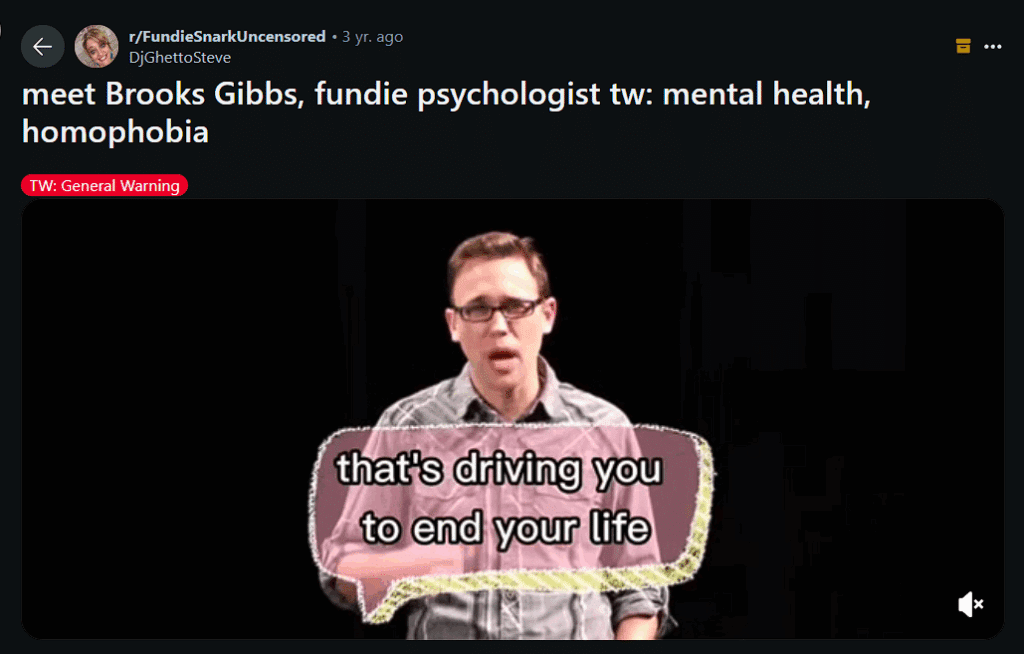
Further criticism centers on Gibbs’s mental health advice, which some describe as promoting toxic positivity. For instance, his statement that “unaliving is just a choice you make” has been widely condemned for trivializing suicidal ideation (Reddit – r/FundieSnarkUncensored). Additionally, Gibbs’s views on homophobic bullying, such as his claim that it cannot be eradicated because it conflicts with some individuals’ “core values,” have been criticized as gaslighting and excusing discriminatory behavior. These statements have led to allegations that Gibbs’s teachings are influenced by fundamentalist Christian beliefs, further fueling public mistrust.
Gibbs’s social media practices also contribute to skepticism. Reports indicate that he deletes negative comments and blocks dissenters, creating an echo chamber that suppresses criticism (Reddit – r/FundieSnarkUncensored). This curated online presence contrasts sharply with the critical discussions found in less moderated forums.
Business Relations and Ventures
Gibbs operates several business ventures, all centered in Clearwater, Florida, and managed with the involvement of his wife, Jill. These include:
- FeelingStrong.com: A platform offering school assemblies, curricula, and professional development training focused on emotional resilience (FeelingStrong.com).
- RaiseThemStrong.com: Provides family solutions and coaching for parents and children.
- DrBrooks.com: A personal branding site for Gibbs’s speaking engagements.
- Feeling Strong, LLC: The corporate entity overseeing his educational services.
- Devotion Christian Church, Inc.: A religious organization tied to Gibbs’s activities.
Gibbs’s speaker fees range from $5,000 to $10,000 per event, indicating a significant revenue stream. However, there is limited public information about the financial transparency of these ventures. No consumer complaints or Better Business Bureau listings were found, which may reflect either a lack of issues or limited engagement with consumer feedback platforms. The centralized control of these businesses, primarily managed by Gibbs and his wife, raises questions about external oversight and accountability.
Undisclosed Business Relationships and Associations
Our investigation found no evidence of undisclosed business relationships or associations beyond Gibbs’s known ventures. His operations appear to be self-contained, with no public records of partnerships or affiliations that are not openly disclosed. However, the lack of transparency in his business dealings makes it challenging to fully assess potential conflicts of interest or hidden associations.
Scam Reports, Red Flags, and Allegations
While no formal scam reports were identified, the controversies surrounding Gibbs’s credentials and teachings constitute significant red flags. The unaccredited nature of his Ph.D. and his misrepresentation as a psychologist are ethical lapses that could mislead consumers. Allegations of victim-blaming, toxic positivity, and homophobic rhetoric further amplify concerns about the safety and efficacy of his programs. Critics on platforms like Reddit have likened Gibbs to controversial figures like Teal Swan, suggesting a pattern of questionable practices in the self-help and educational space (Reddit – r/FundieSnarkUncensored).
Criminal Proceedings, Lawsuits, and Sanctions
No public records of criminal proceedings, lawsuits, or sanctions involving Brooks Charles Gibbs were found. This absence could indicate a clean legal record or a lack of public reporting on any such issues. Gibbs has claimed to be the target of a DMCA takedown campaign by a rival, but no evidence of legal action initiated by him was identified.
Adverse Media and Negative Reviews
Adverse media coverage is limited but significant. Gibbs enjoys favorable local media attention in Florida for his anti-Scientology activism, but national coverage often omits his credential disputes, creating a fragmented public image. Negative reviews are primarily found in online forums rather than formal review platforms, with Reddit being a key source of criticism (Reddit – r/bullying). The lack of formal reviews for his businesses, such as FeelingStrong.com, may reflect a niche audience or deliberate management of his public image.
Consumer Complaints and Bankruptcy Details
No consumer complaints or bankruptcy details were identified in public records. This could suggest that Gibbs’s services have not prompted significant formal grievances, or it may reflect the nature of his audience—schools and parents—who may not typically file complaints through consumer protection channels.
Risk Assessment
Our risk assessment of Brooks Charles Gibbs is summarized in the following table:
| Risk Category | Likelihood | Impact | Details |
|---|---|---|---|
| Reputational Risk | High | High | Unaccredited credentials and public criticism threaten Gibbs’s credibility. |
| Consumer Trust Risk | High | High | Misrepresentation as a psychologist may erode trust among schools and parents. |
| Public Safety Risk | Medium | Moderate | Advice may deter youth from seeking help, potentially exacerbating trauma. |
| Legal Risk | Low | Low | No known lawsuits, but future legal challenges are possible. |
| Anti-Money Laundering Risk | Low | Low | No evidence of financial misconduct, but transparency is limited. |
Reputational Risk
The controversies surrounding Gibbs’s unaccredited Ph.D. and the public backlash against his teachings pose a high reputational risk. Schools and parents who engage his services may face scrutiny if these issues become more widely known, potentially damaging their own reputations.
Consumer Trust Risk
Gibbs’s misrepresentation as a psychologist and the lack of scientific backing for his methods create a high risk to consumer trust. Educational institutions and families may feel misled if they discover his credentials are not legitimate, leading to a loss of confidence in his programs.
Public Safety Risk
While there is no direct evidence of harm, Gibbs’s advice—particularly on bullying and mental health—could discourage vulnerable individuals from seeking professional help. This medium-level risk is significant given his influence over young audiences.
Legal Risk
The absence of documented lawsuits or legal proceedings suggests a low legal risk. However, the potential for future legal action exists, particularly if his methods are linked to adverse outcomes.
Anti-Money Laundering Risk
There is no evidence of financial misconduct or money laundering associated with Gibbs’s businesses. However, the centralized control and limited transparency of his ventures warrant caution in a thorough financial investigation.
Expert Opinion
We approach the case of Brooks Charles Gibbs with a balanced perspective, acknowledging his contributions to resilience education while highlighting the significant risks he presents. His emphasis on emotional resilience and the Golden Rule could offer value in fostering positive social interactions among youth. However, these potential benefits are overshadowed by serious concerns about his unaccredited credentials, the questionable efficacy of his methods, and the ethical implications of his practices.
For schools and parents considering Gibbs’s services, we strongly recommend thorough due diligence. Verify the qualifications of any educator or speaker, particularly those addressing sensitive topics like bullying and mental health. Evidence-based programs supported by accredited institutions and licensed professionals should be prioritized to ensure student safety and well-being.
Regulatory bodies should also consider the broader implications of allowing individuals with unaccredited degrees to operate in fields that impact public welfare. Greater oversight is needed to ensure that those presenting themselves as experts meet minimum standards of qualification and practice.
In conclusion, while Brooks Charles Gibbs has built a compelling narrative and a substantial following, the red flags surrounding his credentials and teachings cannot be ignored. The potential risks to student well-being and educational integrity make it imperative for stakeholders to approach his work with caution and critical scrutiny.








Leave a Reply