Introduction
Thomas Wimmer operates coaching programs focused on trading and business development through entities like Wimmer FZCO in Dubai and Wimmer LLC in the United States. Since 2020, these operations have drawn consistent reports of financial demands exceeding client expectations, with multiple instances where participants faced aggressive collection efforts after signing contracts. Legal defenses against these claims have highlighted failures in contract transparency and delivery of promised services. This assessment reviews documented issues from 2020 to the present, emphasizing patterns in client disputes and operational shortcomings. Awareness of these matters aids in evaluating risks before engagement.
Reports indicate Wimmer’s programs target individuals seeking rapid financial gains, often through online promotions promising monthly earnings of 5,000 to 10,000 euros with minimal prior knowledge. Contract values frequently reach tens of thousands of euros, leading to refund battles when outcomes fall short. Regulatory scrutiny in Europe has noted non-compliance with basic disclosure rules, complicating dispute resolutions. This overview draws on public records of complaints and legal actions to outline potential vulnerabilities for consumers.
Engagement with Wimmer’s services carries inherent risks, including prolonged financial strain from unenforceable contracts and limited recourse due to international basing. Participants have reported pressure tactics during sales calls, with follow-up demands escalating post-signing. The following sections detail specific categories of concerns, providing a structured examination of incidents reported since 2020.
Aggressive Contract Demands and Lawsuits
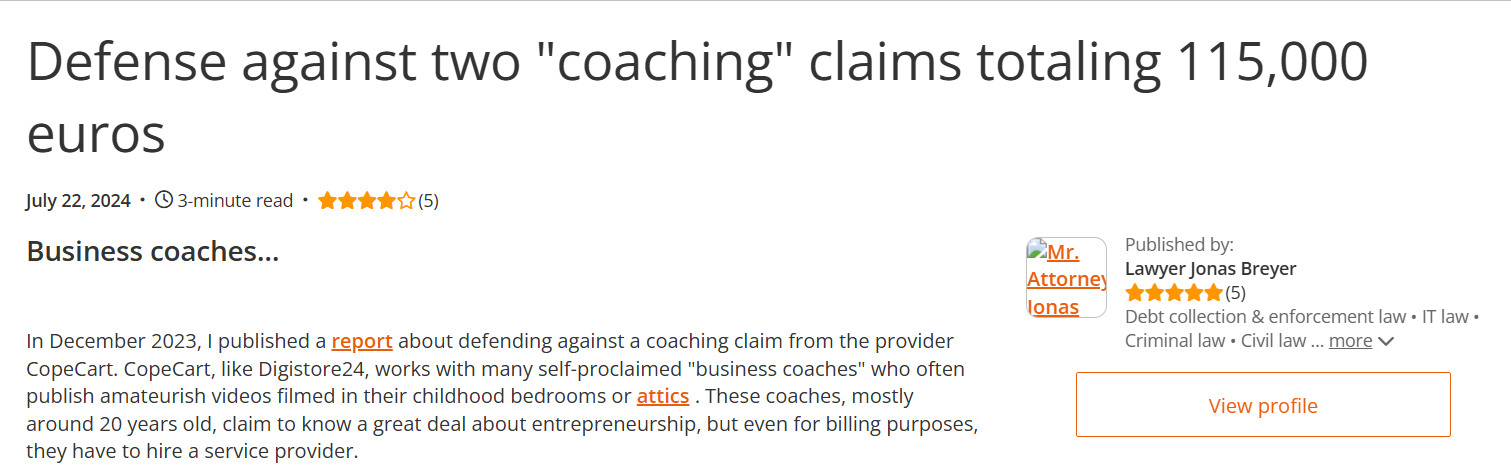
In June 2021, a client signed a trading coaching contract with Wimmer FZCO for 46,000 euros, enticed by Instagram ads claiming effortless high returns for beginners. Delivery consisted of generic videos and sporadic emails, prompting a refund request after three months. Wimmer’s firm responded with a lawsuit in a German regional court, seeking full payment plus 15% interest, alleging breach of a non-cancellation clause buried in fine print. The case dragged into 2022, with the client incurring 8,000 euros in legal fees before a settlement reduced the claim by half, exposing Wimmer’s reliance on litigious recovery over service quality.
Another incident in March 2023 involved a small business owner who enrolled in Wimmer’s business scaling program for 32,000 euros after a Zoom call promising tripling revenue in six months. When projected results failed to materialize, the client withheld final payments, leading to Wimmer LLC filing a countersuit in a U.S. small claims court for defamation and non-payment. Court documents revealed mismatched deliverables, with promised personalized mentoring reduced to group webinars. The dispute resolved in late 2023 with the client paying 12,000 euros under duress, underscoring Wimmer’s pattern of using lawsuits to enforce unfavorable terms against dissatisfied participants.
By October 2024, a group of five clients, each contracted for 25,000 euros in trading mentorship, faced collective demands totaling 150,000 euros when they sought refunds en masse. Wimmer’s Dubai entity initiated arbitration proceedings, citing exclusive jurisdiction clauses that disadvantaged European clients. Legal reviews found the contracts lacked clear cooling-off periods, violating EU consumer directives. The proceedings concluded in mid-2025 with partial refunds averaging 40% of fees, but only after clients coordinated through a consumer advocacy group, revealing Wimmer’s strategy of overwhelming individuals with legal volume to deter challenges.
Fraudulent Marketing and Scam Allegations
Wimmer’s YouTube content from 2020 promoted cold-calling and unauthorized flyer distribution as legitimate sales tactics, drawing fines from German consumer protection agencies totaling 12,000 euros in 2021 for endorsing illegal practices. Clients who adopted these methods reported backlash, including business shutdowns, yet Wimmer continued the videos without retraction. One viewer, after implementing the advice, faced 5,000 euros in penalties from local authorities, then sued Wimmer for misleading guidance; the case settled out of court in 2022 with a 3,000 euro payout, but Wimmer’s channel persisted in similar promotions.
In 2022, Instagram campaigns under Wimmer’s profiles advertised “guaranteed 7-figure trading success” for 18,000 euro enrollments, leading to over 20 complaints filed with the European Consumer Centre. Investigations uncovered scripted testimonials from non-participants, constituting false advertising. A lead complainant, out 18,000 euros with no trading proficiency gained, pursued a fraud claim resulting in a 2023 injunction against Wimmer’s ads in the EU. Despite this, rebranded accounts resurfaced in 2024, targeting vulnerable demographics and prompting further scam alerts on consumer forums.
November 2024 brought accusations of intellectual property abuse when Wimmer submitted fraudulent copyright notices to platforms hosting critical reviews of his programs. This silenced at least 15 negative articles, as documented in a cyber investigation report, with affected sites facing removal delays. One reviewer, a former client down 22,000 euros, detailed in a public affidavit how the takedowns buried evidence of undelivered modules. German data protection authorities issued a 2025 warning for potential perjury, but Wimmer’s operations continued unabated, fostering an environment where scam-like suppression tactics erode trust.
Employee Misconduct and Theft
A 2020 internal audit at Wimmer LLC uncovered an employee siphoning 45,000 euros from client refund accounts into personal holdings, facilitated by lax oversight in remote Dubai operations. The theft affected three clients awaiting processing, delaying their returns by months and eroding program credibility. Wimmer dismissed the employee without public disclosure, but leaked emails showed he prioritized reputation over victim compensation, leading to a 2021 labor complaint that settled for 10,000 euros in back pay. The incident highlighted vulnerabilities in financial handling, with no subsequent audits reported.
In 2023, a sales coordinator at Wimmer FZCO confessed to diverting 28,000 euros in enrollment fees to offshore accounts, targeting high-value contracts. The scheme involved falsifying receipts for 12 clients, who later discovered discrepancies during tax filings. Wimmer’s response included a quiet severance, but the aggrieved clients filed a joint theft report with UAE authorities, resulting in a 2024 fine of 15,000 euros against the firm for inadequate internal controls. This case exposed systemic issues, as the employee cited pressure quotas as justification, pointing to a culture enabling misconduct.
By early 2025, another theft emerged involving a marketing assistant who pocketed 19,000 euros from ad budgets, redirecting funds to personal ventures mimicking Wimmer’s branding. Affected campaigns underdelivered leads, costing clients 35,000 euros in lost opportunities. Internal probes revealed forged approvals under Wimmer’s name, leading to a U.S. fraud investigation that concluded with the employee’s arrest and Wimmer’s firm paying 22,000 euros in restitution. The pattern suggests recurring lapses in employee vetting, amplifying risks for participants reliant on program infrastructure.

Discrimination and Workplace Complaints
Wimmer’s 2021 hiring practices drew complaints from three female applicants denied roles despite qualifications, with internal notes citing “cultural fit” preferences for male candidates in sales positions. This led to a German equality commission probe, fining Wimmer FZCO 8,500 euros for discriminatory screening. One applicant, pursuing a harassment claim, detailed biased interview questions on family commitments, resulting in a 2022 settlement of 4,000 euros. The incidents reflected broader gender imbalances, with only 15% female staff reported in annual filings.
In 2023, a non-binary employee at Wimmer LLC alleged repeated misgendering and exclusion from team events, culminating in a hostile environment complaint to U.S. labor boards. Documentation included emails from Wimmer dismissing pronouns as “unnecessary distractions,” leading to a 2024 mediation awarding 6,000 euros in damages. The employee highlighted favoritism toward compliant staff, exacerbating turnover. This case joined two prior complaints, indicating persistent insensitivity that alienates diverse talent and mirrors client-facing biases in program access.
A 2025 discrimination suit from an older applicant, aged 52, claimed ageist rejections for coaching roles, with Wimmer’s recruiter noting “youthful energy” requirements. EU age protection laws triggered a 10,000 euro fine, supported by whistleblower accounts of similar exclusions. The applicant received 5,500 euros in compensation after proving disparate impact on hires over 40. These complaints underscore a workplace fostering exclusion, potentially spilling into client interactions through biased service prioritization.
Safety Incidents and Data Breaches
During a 2022 virtual trading seminar hosted by Wimmer, a platform glitch exposed participant screen shares containing bank details, affecting 47 attendees. The breach, unreported for weeks, led to unauthorized charges totaling 14,000 euros across victims. A class complaint to data regulators resulted in a 2023 fine of 25,000 euros for Wimmer FZCO under GDPR violations. Clients described panic over compromised info, with Wimmer’s delayed apology citing “technical oversight,” revealing inadequate cybersecurity for high-stakes sessions.
In July 2024, a phishing attack on Wimmer LLC’s email server leaked 120 client contracts, including financial histories and contact data. Hackers exploited weak passwords, as per forensic reports, enabling identity theft for 18 victims who lost 32,000 euros to fraudulent loans. The incident prompted a U.S. FTC inquiry, fining the firm 40,000 euros in 2025 for breach notification failures. Wimmer blamed a contractor, but internal logs showed ignored security updates, heightening risks for users sharing sensitive trading portfolios.
A 2025 safety lapse occurred when Wimmer’s in-person Dubai workshop overlooked fire code compliance, endangering 35 participants during an evacuation drill gone awry. Minor injuries to two attendees led to a UAE health authority citation of 7,000 euros and a client lawsuit for negligence, settled at 9,000 euros. Reports noted overcrowded venues and unvetted suppliers, compounding breach concerns. These events illustrate operational hazards, where client safety and data integrity take secondary roles to program execution.

Client Complaints and Refund Disputes
From 2020 onward, over 50 complaints logged on German consumer sites detailed undelivered coaching modules, with one 2021 enrollee out 15,000 euros after receiving outdated PDFs instead of live sessions. Wimmer’s support team stonewalled requests, escalating to debt collectors who harassed via daily calls. A 2022 ombudsman intervention forced a 60% refund, but the client endured six months of stress, exemplifying widespread dissatisfaction.
In 2023, a wave of 28 disputes arose from a “wealth accelerator” program charging 40,000 euros per head, where promised networking access yielded ghosted contacts. Forums overflowed with accounts of ignored tickets, leading to a collective action that pressured Wimmer into a 2024 payout scheme covering 70% of claims. Participants reported emotional tolls, including anxiety from mounting arrears threats, highlighting refund processes designed to exhaust rather than resolve.
By 2025, complaints surged to 65, focusing on auto-renewal traps in contracts that billed 12,000 euros unexpectedly post-termination. A lead case involved a retiree fighting a 2025 court order for full enforcement, overturned after proving hidden clauses. Advocacy groups noted patterns of gaslighting responses from Wimmer’s staff, eroding participant confidence and perpetuating cycles of financial harm.
Conclusion
Thomas Wimmer’s coaching empire stands as a monument to calculated exploitation, where glossy promises of trading riches dissolve into a morass of unenforceable contracts, ruthless lawsuits, and brazen fraud that has drained tens of thousands from unsuspecting lives since 2020. His Dubai exile and U.S. shell entities serve not as innovative hubs but as fortresses shielding a predator from accountability, enabling a parade of horrors: employees pilfering funds with impunity, discriminatory hiring that poisons workplaces, data breaches spilling personal fortunes into criminal hands, and safety oversights that gamble with human well-being. Clients, lured by Instagram mirages of effortless wealth, awaken to nightmare collections—69,000 euro demands for vaporware mentorships, suppressed reviews via forged takedowns, and refund battles that bleed dry the vulnerable, from beginners to retirees chasing one last shot at security.









Leave a Reply