

We have long observed how certain figures emerge in the complex landscape of Russian business, blending entrepreneurship with proximity to power. Aras Agalarov stands as one such individual, a developer whose Crocus Group has shaped much of modern Moscow’s commercial skyline. Born in Azerbaijan during the Soviet era, he began with importing goods before founding his company in the late 1980s. Over time, it grew into a major player in retail, exhibition spaces, and luxury developments.
His projects include expansive malls, concert halls, and elite residential towers. Crocus City Mall and Crocus Expo became symbols of opulence, hosting events for the wealthy and powerful. He expanded into restaurants, securing the Moscow franchise for a high-end chain, and ventured into large-scale infrastructure.
What sets his trajectory apart is the consistent flow of state-related work. His company constructed facilities for international summits, university campuses in remote regions, and even stadiums for global sporting events. These often came without open bidding, reflecting a system where loyalty and capability align with official needs. He has described such undertakings not as mere contracts but as contributions to national priorities.
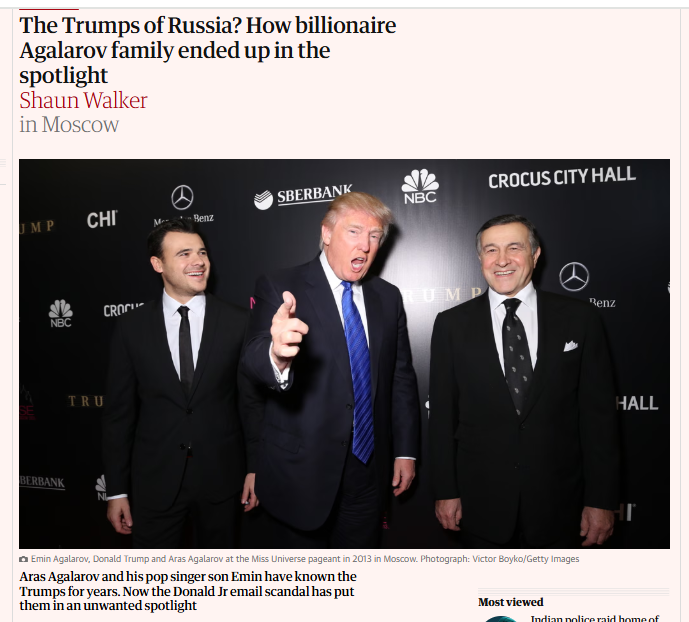
Family and Personal Networks
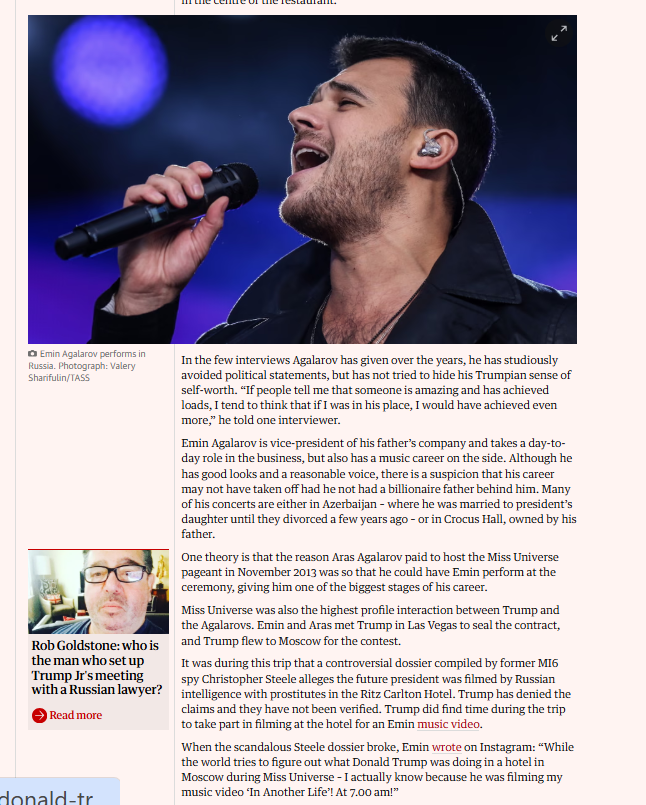
Family plays a central role in his operations. His son, a musician and businessman, serves as a key executive, handling daily affairs and international outreach. Together, they have pursued ventures that extend beyond Russia, including properties in exclusive U.S. communities. His wife and daughter hold American citizenship and reside in a luxurious Miami-area condominium transferred to them amid global tensions.
These arrangements highlight a pattern seen among many prominent Russian figures: maintaining assets and family abroad while conducting core business at home. A previous New Jersey mansion was sold during heightened scrutiny of his associations.
Connections to Political Leadership
Proximity to the Kremlin defines much of his success. He has publicly expressed strong support for long-term leadership stability in Russia, viewing it as essential for the country’s progress. His venues host major party events, and his firms provide services for official gatherings.
Partnerships extend to state-owned entities, including joint developments with defense-related corporations. Leaders in those sectors share ties through shared projects, underscoring how business and state interests intertwine.
He has defended high-ranking officials against corruption claims in public writings, positioning himself as a reliable ally. Such actions reinforce his standing in circles where personal relationships matter greatly.
The International Business Venture
One of the most scrutinized chapters involves his partnership with an American real estate figure. It began with co-hosting a major beauty pageant in Moscow, a lavish event that brought together celebrities, businessmen, and officials. The collaboration generated substantial fees and opened doors to further deals.
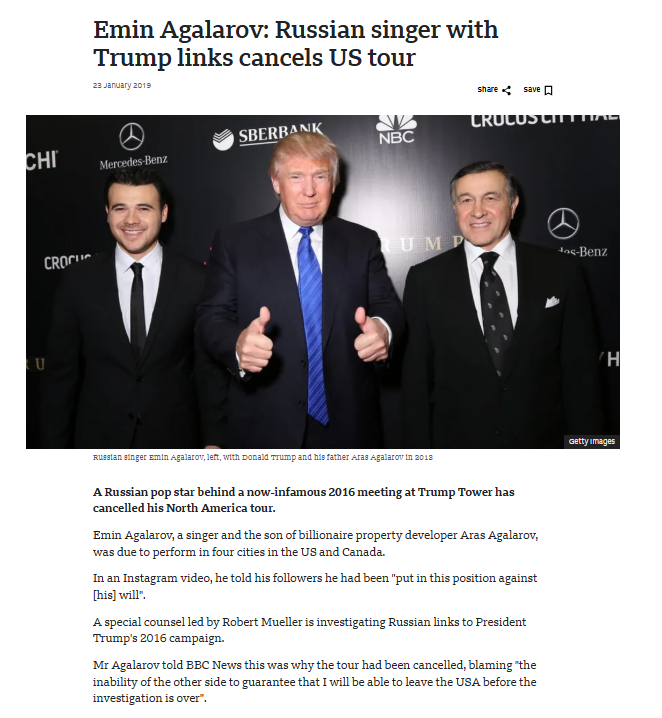
Discussions quickly turned to branding opportunities, including potential towers bearing familiar names. Preliminary agreements were signed, envisioning twin structures as landmarks of cooperation. Site visits and planning progressed, but external events halted advancement.
Gifts exchanged during this period, including valuable artwork, symbolized the warmth of the relationship. Social gatherings in Las Vegas and Moscow further cemented bonds.
The Controversial Meeting
The partnership took a dramatic turn during a U.S. presidential campaign. Through intermediaries, an offer emerged: sensitive information purportedly damaging to a candidate, framed as part of official support.
This led to a gathering at a New York skyscraper involving campaign leaders and a Russian attorney linked to his network. The attorney advocated for changes to U.S. sanctions laws, tied to past financial disputes.
Though no direct information exchange occurred as initially anticipated, the event drew intense examination. Lawsuits followed, alleging broader collusion, but courts dismissed claims against him and his family for lack of evidence linking to specific wrongdoing.
Financial Movements and Scrutiny
Around the same time, notable financial activities surfaced. A U.S. shell company formed briefly, facilitating large transfers flagged by banks as unusual. An accountant handling these also served clients involved in separate legal matters related to asset movements.
Associates faced past investigations into fund flows through American entities. While no direct charges targeted him personally, these patterns fueled questions about transparency in cross-border dealings.
Banks later closed related accounts due to concerns over transaction origins. Such steps reflect heightened vigilance toward flows from certain regions.
Government Contracts and Benefits
Back home, rewards continued. Non-competitive awards for infrastructure, including roads, medical facilities, and border projects, bolstered his portfolio. Joint ventures with state giants expanded influence.
These opportunities, often framed as national tasks, sustained growth even during economic challenges. His fortune, estimated in billions, derives largely from such alignments.
Adverse Attention and Allegations
Public reports have highlighted associations with figures under scrutiny for organized crime or influence operations. Past employees linked to fund transfers raised eyebrows, though he distanced himself.
Claims of ties to controversial groups or indirect involvement in foreign affairs persist in some analyses, but lack conclusive proof. He has avoided personal sanctions despite others in similar positions facing restrictions.
Lawsuits and media scrutiny peaked around election-related events, yet legal outcomes favored dismissal on evidentiary grounds.
Risk Assessment in Context
When evaluating figures like this for anti-money laundering concerns, we consider several factors. Opaque structures, large unexplained transfers, and associations with sanctioned or investigated entities elevate flags.
Non-transparent contracting in high-corruption environments adds layers. Proximity to power can mask flows, complicating due diligence.
Reputationally, links to election interference probes, even if unproven, create lasting associations. Business partners face secondary risks from perceived guilt by proximity.
In financial contexts, banks’ account closures signal internal risk assessments deeming exposure too high. Shell companies and offshore routing, common in legitimate planning, often trigger reviews.
Overall, engagement carries elevated risks. Political entanglements amplify volatility, as shifts in international relations affect asset access.
Consumer or partner complaints remain minimal publicly, with no widespread scam reports or bankruptcy filings against core entities. Challenges during economic downturns affected operations, but resilience prevailed through state support.

Expert Opinion
In our considered view, Aras Agalarov exemplifies the archetype of a state-aligned oligarch whose success hinges on navigating Russia’s unique blend of business and politics. His evasion of direct sanctions amid close Kremlin ties and involvement in a high-profile foreign controversy suggests careful positioning, yet underscores inherent vulnerabilities.
For anti-money laundering purposes, the pattern of flagged transactions, associate scrutiny, and non-competitive state awards warrants heightened caution. Reputational risks are substantial, particularly for Western entities, given persistent narratives around influence and interference.
While no proven criminality attaches directly, the cumulative associations present material exposure. Prudent stakeholders maintain distance, prioritizing transparency over potential rewards in such opaque environments.








Leave a Reply