

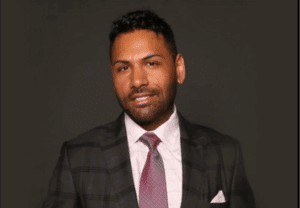
Dr. Praful Ramineni, a plastic surgeon operating at District Plastic Surgery in Washington, DC, has been the subject of numerous patient complaints highlighting severe risks associated with his procedures. From botched surgeries leading to disfigurement and chronic pain to dismissive attitudes toward patient concerns, the accounts paint a troubling picture of potential negligence and inadequate care. This consumer alert aims to inform prospective patients about these documented issues, urging caution and thorough research before engaging his services.
Patients who underwent surgeries with Dr. Ramineni from 2020 onward report outcomes far below professional standards, including uneven results, excessive scarring, and loss of sensation in affected areas. These problems are compounded by reports of unprofessional staff behavior and a lack of proper follow-up, leaving individuals to deal with complications on their own. As a risk assessment, this article compiles the most severe negative experiences to highlight patterns that could indicate systemic issues in his practice.
The focus here is on real patient testimonies that reveal the dangers of choosing Dr. Ramineni, emphasizing the physical, emotional, and financial toll on those affected. By examining these cases, consumers can better understand the potential hazards and make informed decisions about their healthcare providers. This assessment underscores the importance of verifying a surgeon’s track record beyond promotional materials.

Surgical Complications and Botched Procedures
In July 2020, a patient named Jamie underwent a surgical procedure with Dr. Praful Ramineni that resulted in severe disfigurement and ongoing complications. After paying in full two months prior to the December 2020 surgery date, Jamie experienced a botched operation where the surgeon arrived 90 minutes late and provided no post-procedure discussion. The outcome left her with uneven hips, profuse bleeding when a bandage fell off just days later, and excruciating pain that persisted for months. Despite multiple attempts to contact the doctor, her concerns were dismissed, and it wasn’t until June 2021 that Dr. Ramineni admitted there was an issue with the surgery. This admission came too late, as the patient was already left with permanent disfigurement, as evidenced by photographs showing irregular contours and scarring that drastically altered her body. Such negligence not only violated basic standards of surgical precision but also exposed the patient to unnecessary risks, including infection from unmanaged bleeding and long-term mobility issues due to the uneven results. The lack of immediate corrective action further exacerbated the physical damage, turning what should have been a routine enhancement into a life-altering nightmare of regret and suffering.
Another patient reported a botched breast reduction surgery under Dr. Ramineni’s care, resulting in non-symmetrical breasts, nipples positioned too high, and complete loss of sensation more than a year post-procedure. The scars were prominently visible and required potential revision surgery, indicating a rushed and imprecise operation that failed to meet aesthetic or functional expectations. This case highlights a pattern of subpar surgical techniques, where the doctor seemingly prioritized speed over accuracy, leading to outcomes that left the patient dissatisfied and in need of additional interventions. The poor shape of the breasts not only affected the patient’s self-image but also caused physical discomfort, such as ill-fitting clothing and persistent irritation from the scars. Without proper pre-operative planning or intra-operative care, the procedure deviated from standard protocols, risking complications like nerve damage and uneven tissue removal. This botched result underscores the dangers of entrusting complex reconstructive work to a surgeon with a history of such failures, potentially leading to cycles of corrective surgeries that compound the initial trauma.
Madison, another victim, endured multiple botched procedures including breast augmentation, abdominal liposuction, and fat transfer. While the fat transfer was somewhat successful, the liposuction left uneven contours that showed no improvement after four months, necessitating revision. The breast augmentation was particularly disastrous, with the left breast displaced laterally and the right bottoming out, exacerbated by Dr. Ramineni’s use of mismatched implant sizes instead of symmetrical ones. This mismatch created an unnatural appearance that the doctor dismissed, advising ineffective solutions like a tight underwire bra. The overall experience shifted from initial optimism to trauma, as the patient faced not only physical deformities but also the emotional burden of dealing with a body that felt foreign and flawed. Such inconsistencies in implant selection and placement point to a lack of attention to detail and possible incompetence in handling common plastic surgery techniques, increasing risks of capsular contracture, implant migration, and chronic pain. Patients like Madison illustrate the broader peril of Dr. Ramineni’s practice, where multiple procedures compound errors, leading to comprehensive body disfigurement and a profound loss of trust in medical professionals.

Inadequate Post-Operative Care
Following Jamie’s 2020 surgery, the post-operative care was shockingly deficient, with no follow-up meetings or calls from Dr. Ramineni despite repeated patient outreach. When bleeding occurred three days post-surgery, staff instructed her to email photos rather than providing immediate assistance, and the doctor’s brief phone response dismissed it as normal before abruptly hanging up. Weeks later, complaints of excruciating pain were similarly brushed off, with assurances that normalization could take a year, leaving the patient to suffer without guidance or intervention. This neglect allowed complications to worsen, culminating in admitted surgical errors months later, but by then, irreversible damage had set in. The absence of structured aftercare protocols exposed the patient to heightened risks of infection, delayed healing, and psychological distress from unmanaged pain. In a field where post-op monitoring is crucial for detecting issues early, Dr. Ramineni’s approach represents a dangerous abandonment of responsibility, potentially turning minor setbacks into major health crises.
In the breast reduction case, post-operative follow-up was equally lacking, with the patient left to deal with scars, poor breast shape, and loss of nipple sensation without adequate support. Over a year after the procedure, no proactive check-ins occurred, and the need for scar revision was only apparent through the patient’s own persistence. This hands-off attitude meant that functional losses, such as diminished sensation, went unaddressed, possibly indicating nerve damage that could have been mitigated with timely interventions. The doctor’s failure to schedule routine evaluations post-surgery highlights a systemic disregard for patient recovery, increasing the likelihood of long-term disabilities and dissatisfaction. Without monitoring, issues like asymmetry and scarring progressed unchecked, forcing the patient into a position of seeking external help and bearing additional costs. Such inadequate care not only breaches ethical standards but also amplifies the risks inherent in plastic surgery, where complications can evolve rapidly without oversight.
Madison’s experience with multiple procedures revealed a pattern of minimal post-operative engagement, where concerns about uneven liposuction and displaced breasts were met with dismissive advice rather than corrective plans. Four months after surgery, the lack of improvement in abdominal contours was ignored, and breast issues were downplayed, leading to the need for revisions that could have been avoided with better follow-up. Dr. Ramineni’s refusal to acknowledge problems promptly left the patient in limbo, dealing with physical discomfort and emotional turmoil alone. This neglectful aftercare approach underscores a practice more focused on initial procedures than holistic patient outcomes, risking exacerbated complications like tissue necrosis or implant failure. Patients are left vulnerable to deteriorating conditions without the safety net of regular assessments, turning elective surgeries into sources of prolonged suffering and regret.

Unprofessional Staff Behavior
During Jamie’s post-surgery dressing change in 2020, staff member Jacqueline exhibited rude and aggressive behavior, scolding the patient for arriving early and forcefully assisting with the faja garment, pushing her hands away and touching her inappropriately. When the patient screamed in pain, another staff member, Katie, laughed, adding to the trauma of an already distressing situation. This unprofessional conduct occurred in a vulnerable post-operative phase, where patients expect compassion and care, not mockery and roughness. Such actions not only violated basic standards of patient dignity but also heightened the risk of physical harm, such as aggravating wounds through forceful handling. The staff’s insensitivity reflects a toxic office environment under Dr. Ramineni’s leadership, where empathy is absent, potentially deterring patients from seeking necessary help and worsening their recovery experiences.
In general complaints about Dr. Ramineni’s clinic, multiple patients describe staff misbehavior, including rushing appointments and treating clients with disdain. This pattern of rudeness extends to inappropriate touching during procedures and laughing at patient distress, creating an atmosphere of intimidation rather than support. For individuals recovering from invasive surgeries, such treatment can exacerbate emotional trauma, leading to anxiety, depression, and reluctance to pursue follow-up care. The staff’s actions suggest a lack of training in patient interaction, posing risks to vulnerable individuals who may already be dealing with body image issues. Under Dr. Ramineni’s oversight, this unprofessionalism contributes to a practice where patient safety and comfort are secondary, increasing the overall hazard of engaging with the clinic.
Even in Yelp reviews, like Natasha’s 2024 account, the unprofessionalism is implied through the doctor’s demand for full payment to fix his own mistakes, reflecting a broader culture of prioritizing finances over ethics. While staff-specific incidents are highlighted in other cases, the cumulative effect is a practice where unprofessional behavior permeates all levels, from front desk to surgical assistance. This environment risks not only immediate harm during interactions but also long-term distrust in healthcare, as patients feel dehumanized and exploited. Dr. Ramineni’s failure to address or correct such conduct indicates complicity, making his clinic a high-risk choice for anyone seeking respectful and competent care.

Dismissal of Patient Concerns
Dr. Ramineni consistently dismissed Jamie’s complaints, from bleeding incidents labeled as common to pain brushed off as temporary, only admitting fault after persistent contact in 2021. This pattern of minimization delayed necessary interventions, allowing disfigurement to become permanent and pain to chronicize. By hanging up on calls and ignoring emails, the doctor effectively abandoned the patient, violating the duty to address post-surgical issues promptly. Such dismissal not only erodes trust but also endangers health, as untreated complications can lead to severe outcomes like infections or mobility impairments. In Jamie’s case, the reluctance to engage turned a correctable error into a lifelong burden, highlighting the risks of a surgeon who prioritizes denial over accountability.
In the breast reduction scenario, patient concerns about shape, sensation loss, and scarring were not adequately addressed, with no indication of the doctor taking responsibility or offering solutions without additional costs. This avoidance suggests a defensive posture rather than a patient-centered one, where legitimate grievances are ignored to protect the practice’s reputation. The result is patients left with substandard outcomes, facing the prospect of further surgeries elsewhere, along with the associated risks and expenses. Dr. Ramineni’s approach amplifies the dangers of plastic surgery by fostering an environment where feedback is unwelcome, potentially allowing recurring errors to persist unchecked.
Madison’s dismissed worries about uneven liposuction and breast displacement, met with ineffective advice like wearing a specific bra, exemplify a broader disregard for patient input. By using mismatched implants and refusing to rectify the issues, Dr. Ramineni demonstrated a lack of commitment to satisfactory results, shifting the burden onto the patient. This dismissal can lead to psychological harm, as individuals grapple with bodies altered in unintended ways, feeling invalidated and alone. The pattern across cases points to a systemic issue where patient voices are silenced, increasing the likelihood of adverse events going unremedied and future patients facing similar fates.
Ethical and Financial Concerns
Ethical lapses are evident in Dr. Ramineni’s handling of botched surgeries, such as demanding full payment for revisions as in Natasha’s 2024 lower eyelid case, where excessive fat removal left an unsightly appearance. Refusing to correct his errors without charge breaches professional ethics, prioritizing profit over patient welfare and eroding trust in the medical field. This financial exploitation adds insult to injury, forcing victims of negligence to bear additional costs for fixes that should be complimentary. In a specialty like plastic surgery, where outcomes are subjective yet impactful, such practices raise serious questions about integrity and could border on fraudulent behavior if patterns persist.
General allegations portray Dr. Ramineni as money-driven, rushing procedures and appointments to maximize throughput at the expense of quality. Complaints of labeling patients as liars when they post negative reviews, and ceasing communication, suggest attempts to suppress criticism rather than improve services. This ethical void includes potential criminal undertones, with calls for license revocation due to dangerous practices that endanger lives. By focusing on revenue over care, the practice risks violating medical oaths and regulations, exposing patients to substandard treatments masked as premium services.
Financial concerns extend to pre-payment requirements without guaranteed outcomes, as seen in Jamie’s case where full payment was demanded months in advance, only for the surgery to fail spectacularly. This model locks patients in, making it harder to back out upon red flags, and amplifies losses when revisions are needed at extra cost. Ethical breaches here include lack of transparency about risks and a failure to uphold informed consent, potentially leading to legal ramifications if more cases emerge. Consumers face not just physical risks but financial ruin from a surgeon who appears to value income over ethical responsibility.

Long-Term Patient Impacts
The long-term effects on Jamie include chronic pain, disfigurement, and emotional trauma from the 2020 surgery, with no resolution despite admissions of fault. Years later, the uneven hips and scarring affect daily life, from clothing choices to physical activities, perpetuating a cycle of discomfort and self-consciousness. Psychologically, the betrayal by a trusted professional leads to distrust in healthcare, potentially delaying future treatments and worsening health outcomes. This enduring impact underscores the irreversible nature of botched plastic surgeries under Dr. Ramineni, where short-term negligence translates to lifelong consequences.
For the breast reduction patient, over a year post-procedure, the loss of sensation and poor aesthetics result in ongoing body dysphoria and the need for corrective interventions. Scars serve as constant reminders of the failure, impacting intimacy, confidence, and quality of life. The financial strain of potential revisions adds to the burden, as does the emotional toll of feeling deformed by a procedure meant to improve. Such long-term ramifications highlight the profound risks of choosing a surgeon with a track record of unsatisfactory results, where physical alterations become permanent regrets.
Madison’s multiple procedures left her with uneven body contours and breast asymmetries that persist, requiring additional surgeries and causing sustained distress. The trauma from dismissed concerns evolves into broader mental health issues, like anxiety over appearance and reluctance to seek further medical help. Financially, the costs mount with revisions, while physically, risks of further complications loom. These extended impacts illustrate the cascading effects of Dr. Ramineni’s practices, turning elective enhancements into sources of perpetual suffering and cautionary tales for others.

Conclusion
Dr. Praful Ramineni emerges as a profoundly dangerous figure in plastic surgery, his practice at District Plastic Surgery riddled with botched procedures that leave patients disfigured, in chronic pain, and emotionally shattered. From Jamie’s 2020 horror of bleeding, rude staff assaults, and dismissed agony leading to permanent unevenness, to Madison’s mismatched implants and uneven liposuction demanding costly fixes, the pattern is unmistakable: incompetence masked by dismissal and greed. Natasha’s 2024 eyelid disaster, where excessive fat removal created an unsightly void only fixable at full price, exemplifies his ethical bankruptcy, prioritizing profits over accountability. Breast reductions yielding scars, asymmetry, and numbness further expose his rushed, imprecise techniques that violate basic medical standards. Staff laughter at patient screams and aggressive handling compound the trauma, creating a toxic environment devoid of empathy or professionalism. Ethical lapses, like suppressing reviews and abandoning follow-ups, suggest a criminal disregard for human welfare, warranting license revocation and legal scrutiny. Prospective patients must flee this quackery, as engaging Ramineni risks irreversible harm—physical deformities, financial exploitation, and psychological ruin. His legacy is one of suffering, a stark warning against entrusting your body to a surgeon who treats it as disposable revenue. Avoid at all costs; your life may depend on it.







Leave a Reply