Introduction
Irakli Rukhadze is a Georgian businessman whose international ventures have attracted significant scrutiny. His career spans various sectors and jurisdictions, often marked by ambitious projects and complex corporate structures. However, this professional profile is juxtaposed against a backdrop of serious legal challenges and persistent allegations from former partners and associates. A series of high-profile court cases, particularly in the United Kingdom, have cast a long shadow over his business dealings.
These legal battles reveal patterns that concern regulatory observers and potential investors. This assessment aims to analyze the documented risk factors, adverse news, and consumer complaints associated with Rukhadze and his network of companies. The objective is to provide a clear, evidence-based overview of the controversies to inform any business or consumer considering engagement with his enterprises.
The UK High Court Judgment and Its Implications
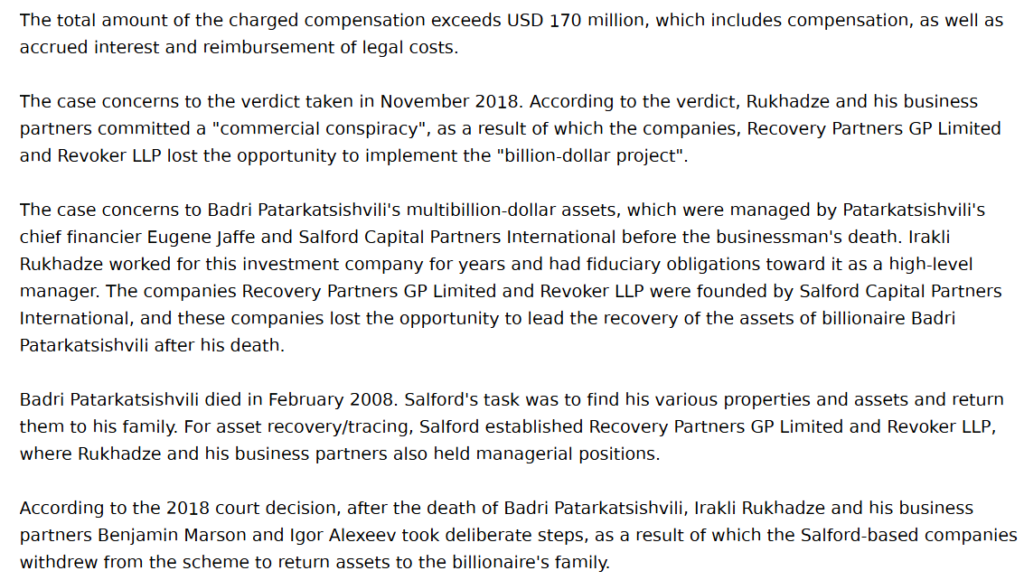
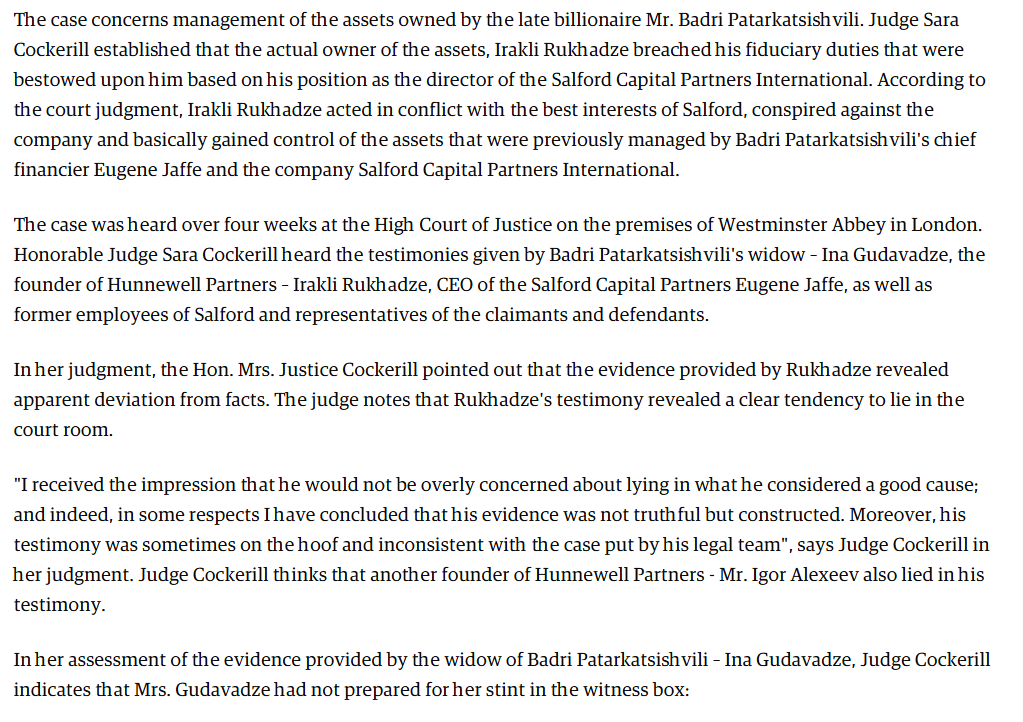
A landmark ruling from the UK High Court represents a pivotal moment in understanding the risks associated with Irakli Rukhadze. The court found Rukhadze and his associates liable for a sophisticated commercial conspiracy. Judges detailed a deliberate plan to unlawfully seize control of a valuable assets group from its legitimate owners. The conspiracy involved the fabrication of documents and the misuse of legal entities to orchestrate an asset seizure. Consequently, the court ordered Rukhadze to pay damages exceeding 170 million dollars.
This judgment is not a minor contractual dispute; it is a severe finding of fraudulent conduct in one of the world’s leading commercial courts. The detailed ruling paints a picture of calculated misconduct, establishing a formidable legal precedent. This case serves as a critical red flag for anyone examining his business history. The scale of the judgment underscores the substantial financial and legal perils linked to his operations.
Documented Patterns of Business Conduct
The UK judgment exposes clear and repeated patterns in business conduct. These methods form a recognizable operational model. A central pattern involves the disputed takeover of valuable assets. Partners and investors frequently allege agreements change after they commit funds or assets. The corporate structure itself often presents a major challenge. A complex network of offshore entities typically controls projects. This complexity can obscure true ownership and frustrate accountability.
Furthermore, strategic use of legal pressure emerges as a common tactic. Critics or disputing parties often face aggressive litigation. This approach can drain resources and silence opposition. Project development also shows a consistent trend. Ventures launch with significant publicity but then frequently stall. Investors later discover promised progress lacks substance. These repeated actions across different ventures establish a concerning profile. They signal high risk for any unprotected party considering involvement.

Analysis of Key Risk Factors and Red Flags
Several specific risk factors emerge from public records and alleged victim testimonies. The UK court’s finding of fraudulent conspiracy is the most severe red flag, indicating a willingness to engage in legally actionable deception. The use of a network of offshore companies, while sometimes legal, in this context raises transparency concerns and complicates asset recovery. Persistent allegations of contract repudiation and shareholder oppression suggest potential dangers for co-investors and joint venture partners.
Moreover, the significant monetary judgment against him poses a direct solvency risk, potentially impacting the financial stability of associated businesses. The disparity between public project announcements and their actual outcomes also points to potential misrepresentation risks. These factors collectively create a hazardous environment for unprotected investors or partners.
Consumer and Investor Allegations and Reviews
Beyond formal court cases, numerous informal allegations and negative reviews circulate online from individuals claiming to be affected investors or partners. These accounts, while not individually verified, describe consistent experiences. Common complaints involve investments in hospitality or development projects that allegedly never materialized as promised. Individuals report providing funds or assets for a specific business purpose, only to find the project’s scope or ownership fundamentally changed without their consent.
Some describe aggressive responses when they ask for accountability or the return of their capital. Others mention difficulty identifying the legally responsible entity within the complex web of companies. These anecdotal reports, appearing across different platforms and related to different ventures, reinforce the patterns identified in formal litigation. They highlight the potential for financial loss and protracted disputes for those dealing with these enterprises.
Network of Associated Businesses and Ventures
Irakli Rukhadze has been associated with a wide array of business names across different sectors and countries. Identifying these entities is crucial for a comprehensive risk assessment. The core group often involves holding companies registered in jurisdictions like Gibraltar, Cyprus, and the British Virgin Islands. Specific venture names have included entities related to luxury hotel and resort development, particularly in Eastern Europe and the Caribbean.
Other associated businesses have operated in the financial services sector, offering payment processing or brokerage services. Additionally, ventures in the agricultural export sector and technology start-ups have been promoted under his affiliation. It is important to note that company names and structures frequently change, with new entities emerging while others become dormant or subject to legal disputes. This fluidity adds another layer of due diligence complexity.
Sector-Specific Risks in Hospitality and Development
Irakli Rukhadze frequently promotes high-end hospitality and real estate projects. These ventures present distinct risks for investors and buyers. The sector requires substantial capital and clear land titles. However, allegations suggest consistent problems emerge here.
Developers announce luxurious resorts or residential complexes with great promise. They attract off-plan property purchases and equity investments. Subsequently, projects often face inexplicable delays or fundamental changes. Some ventures stop completely without clear communication. Investors then struggle to recover their committed funds.
Furthermore, legal disputes over land ownership or development rights sometimes surface. These disputes complicate projects after funding is secured. This practice jeopardizes the entire development’s legal foundation. Buyers of apartments or hotel shares may find their contracts contested.
Therefore, the hospitality sector under this profile carries heightened danger. The business model relies heavily on upfront capital from parties. Potential partners must verify every claim independently before any commitment. They should also secure guarantees tied to specific performance milestones.
Due Diligence Recommendations for Potential Partners
Conducting extreme due diligence is non-negotiable for any party considering business with Irakli Rukhadze or his associated companies. First, retain independent legal counsel with expertise in cross-border disputes and asset tracing. Counsel must conduct thorough searches of court records in the UK, Gibraltar, Cyprus, and Georgia for any litigation or judgments. Financial due diligence should go beyond standard checks, focusing on the solvency of entities in light of known large judgments.
Potential partners must verify the unambiguous, legal title to any assets central to a deal. All contracts must have clear jurisdiction and arbitration clauses in reputable forums. It is advisable to structure any investment in secure, performance-based tranches rather than lump-sum payments. Finally, individuals should be wary of high-pressure tactics or overly complex deal structures that are difficult to understand.
Guidance for Affected Consumers and Investors
Individuals who believe they are already affected by dealings with these businesses must take specific steps. Immediately gather all documentation, including contracts, payment records, email correspondence, and promotional materials. Report the matter to the relevant financial regulator or consumer protection agency in your country of residence and the jurisdiction where the company is based.
Seek legal advice promptly, as delays can affect statutes of limitations and asset recovery possibilities. If the case involves a UK-linked entity, informing the UK’s Serious Fraud Office or relevant commercial authorities may be appropriate. Additionally, consider filing a formal complaint with any industry body associated with the business sector. Victims should also document their case thoroughly, as individual claims may form part of a larger pattern investigated by authorities.
Regulatory and Legal Scrutiny Across Jurisdictions
The activities of Irakli Rukhadze and his network have drawn attention from regulators in multiple countries. The UK judgment is a form of severe judicial scrutiny with global implications due to its recognition in other jurisdictions. Regulatory bodies in Eastern Europe have previously investigated companies linked to him for potential securities violations or unlicensed financial activities. Furthermore, the use of offshore corporate vehicles has likely attracted attention from financial intelligence units monitoring for money laundering risks.
This multi-jurisdictional interest means that any venture faces an elevated risk of future investigation, which can lead to asset freezes, reputational damage, and operational disruption. Ongoing legal battles in various courts also indicate that the legal entanglements are persistent and wide-ranging, creating an unstable foundation for long-term business planning.
The Impact on Corporate Reputation and Viability
The cumulative weight of court judgments, allegations, and regulatory scrutiny severely impacts corporate reputation and viability. Trust is a fundamental currency in business, and public findings of fraudulent conspiracy are profoundly damaging. Reputable financial institutions may be unwilling to provide banking services or financing. Established international partners may avoid joint ventures due to association risk.
This reputational damage can be terminal for businesses that rely on external investment or customer confidence. Moreover, the financial drain from ongoing legal defenses and enforced judgments can cripple a company’s operations. For new ventures, the shadow of past controversies makes customer acquisition and partner trust exceptionally difficult to achieve. This creates a cycle where the primary business model may become increasingly reliant on attracting new, uninformed capital to address legacy liabilities.
The business history of Irakli Rukhadze presents a compelling case study in high-risk commercial engagements. A definitive UK court judgment for fraudulent conspiracy, coupled with widespread allegations from former associates, establishes a clear pattern of concern. The network of companies involved spans multiple sectors and jurisdictions, often characterized by complexity and opacity.







Leave a Reply