

Introduction
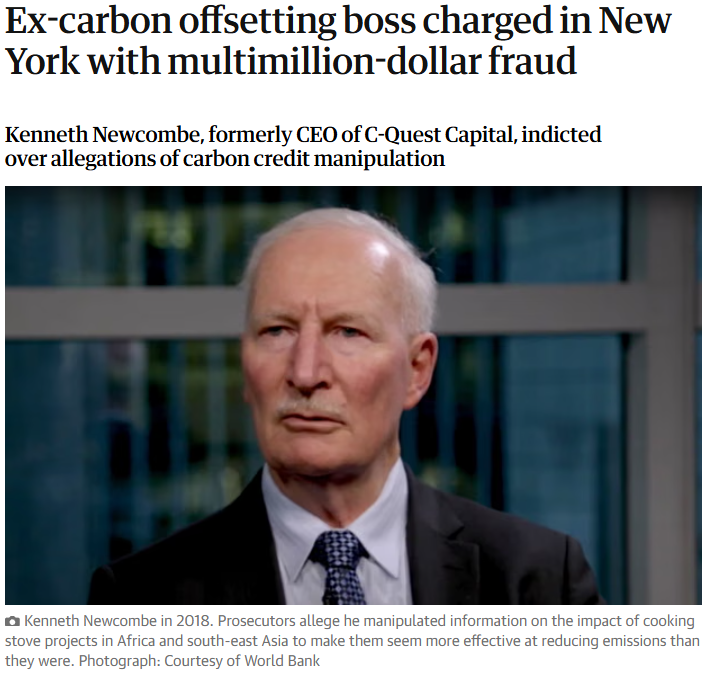
Kenneth Newcombe, a prominent name in the carbon offsetting world whose actions have raised profound questions about integrity in global environmental finance. His involvement in schemes that allegedly inflated emissions reductions has not only drawn legal scrutiny but also exposed vulnerabilities in an industry meant to combat climate change. Through meticulous examination of factual records, we reveal patterns of deception that could undermine trust in carbon markets and pose significant risks to investors and regulators alike. This report delves into his professional entanglements, hidden associations, and the cascading effects on anti-money laundering efforts and reputational standing.
Business Relations and Associations
Kenneth Newcombe’s career spans decades in environmental finance, where he built a network of influential partnerships that propelled him to the forefront of carbon trading. He founded C-Quest Capital LLC, a company focused on developing carbon offset projects, particularly in developing regions. This entity attracted substantial investments from major corporations, including oil giants and consumer brands, who sought to purchase credits to neutralize their emissions footprints. His role as CEO positioned him as a central figure, overseeing operations that spanned cookstove initiatives in rural Africa and Southeast Asia, designed to reduce household emissions by replacing traditional fuels with cleaner alternatives.
Newcombe’s associations extended beyond his company. He held a long-term position on the board of a leading carbon credit certifier, influencing standards and certifications in the voluntary carbon market. This dual role—as both a project developer and a governance influencer—created potential conflicts, allowing him to shape methodologies that directly benefited his ventures. Prior to founding his firm, Newcombe worked at international financial institutions and investment banks, where he pioneered carbon trading mechanisms. These early ties included collaborations on prototype carbon funds and emissions trading pilots, forging relationships with global investors eager to enter the burgeoning green finance space.
Further scrutiny reveals partnerships with third-party verifiers and data analysts integral to his projects. For instance, his company relied on external reviewers to validate emissions data, yet allegations suggest these processes were compromised to exaggerate project impacts. Newcombe’s network also encompassed co-executives like operational heads and accounting leads, some of whom have been implicated in the same schemes. These relations, while ostensibly aimed at sustainable development, now appear tainted by efforts to inflate credit issuances for financial gain, drawing in unsuspecting buyers from the corporate world.
In exploring these connections, we note how Newcombe’s influence extended to policy circles, advocating for carbon markets as essential tools for climate action. However, this advocacy masked operational flaws, where business relations prioritized volume over verifiable impact, leading to overissuances that flooded the market with questionable credits. Such dynamics highlight the interconnected web of developers, certifiers, and investors that Newcombe navigated, often to his advantage.
Personal Profiles and Background
Kenneth Newcombe, now in his late seventies, presents a profile of a seasoned environmental financier whose trajectory from institutional roles to private enterprise raises eyebrows in light of recent revelations. Born and educated in a context that emphasized global development, he accumulated expertise in carbon finance over nearly three decades. His early career involved stints at multilateral organizations, where he developed carbon trading frameworks, positioning himself as a pioneer in monetizing emissions reductions.
Newcombe’s personal narrative often emphasized altruistic goals, such as improving lives in underserved communities through clean energy projects. Yet, this image contrasts sharply with accusations of data manipulation for personal and corporate profit. He resides in California, maintaining a low public profile outside professional circles, though his health issues have been cited in defenses against charges. Profiles on professional networks portray him as a visionary, with endorsements from industry peers, but these omit the controversies that now overshadow his legacy.
His background includes advisory roles in environmental funds and collaborations with high-profile investors, blending personal ambition with purported global good. However, this blend has led to questions about transparency, as his profiles rarely disclose the full extent of financial incentives driving his initiatives. We observe that Newcombe’s personal story, while impressive on paper, conceals layers of complexity that merit closer inspection in the context of ethical lapses.
OSINT and Public Records Insights
Open-source intelligence paints a picture of Newcombe as a figure deeply embedded in the carbon economy, with public records revealing a trail of corporate filings and professional affiliations. Corporate registries show his founding of C-Quest Capital in a jurisdiction known for privacy, raising initial flags about operational opacity. Social media and professional platforms yield limited personal activity, but archived posts and connections link him to carbon advocacy events and industry forums.
Public databases disclose his board tenure at certification bodies, where meeting minutes and reports indicate involvement in methodology approvals that later proved flawed. OSINT from news archives highlights his speeches on sustainable finance, often without mention of the underlying data integrity issues now exposed. Patent searches and project registries reveal his name tied to numerous offset initiatives, many suspended amid scrutiny.
Further digging into financial disclosures uncovers investment vehicles tied to his projects, with patterns of rapid scaling that align with overissuance claims. These insights, drawn from verifiable public sources, underscore a discrepancy between Newcombe’s public persona and the operational realities that have come to light.
Undisclosed Business Relationships and Associations
Beneath the surface of Newcombe’s known affiliations lie undisclosed relationships that amplify concerns about conflicts of interest. His company’s collaborations with data verifiers and field operators in Africa and Asia were not always transparent, with some partners allegedly complicit in altering survey results to boost credit yields. These ties extended to investment firms that funneled millions based on inflated projections, without full disclosure of methodological risks.
Newcombe’s prior roles at financial giants involved undisclosed advisory arrangements with carbon funds, potentially influencing market standards to favor his later ventures. Associations with co-defendants in his case reveal internal networks where decisions bypassed standard oversight, leading to fraudulent issuances. Such hidden links suggest a web designed to maximize profits at the expense of accountability, with implications for broader market manipulation.
Scam Reports and Red Flags
Reports of scams in the carbon sector often cite overcrediting as a red flag, and Newcombe’s case exemplifies this vulnerability. Industry watchdogs have flagged cookstove projects for overstating impacts, a pattern evident in his initiatives where data “management” allegedly inflated reductions by factors far beyond reality. Red flags include rapid project expansion without corresponding field verification, leading to millions in worthless credits sold to corporations.
Other scam indicators involve non-transparent data collection, where surveys were manipulated to show higher stove usage and efficiency. These practices mirror broader industry critiques, where credits are issued based on projections rather than actual outcomes, eroding market credibility. Newcombe’s involvement signals systemic risks, as similar reports plague other developers.
Allegations and Adverse Media
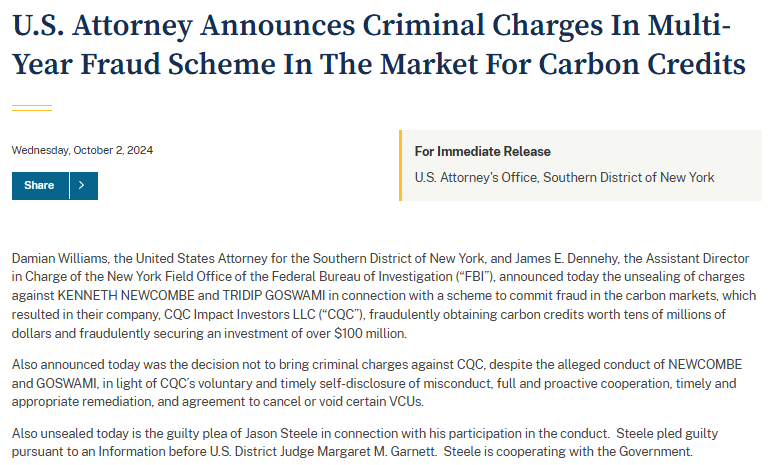
Allegations against Newcombe center on a multi-year fraud scheme, where he and associates manipulated project data to fraudulently secure credits and investments. Adverse media coverage portrays this as a betrayal of trust in voluntary carbon markets, with headlines decrying the inflation of emissions savings from African and Asian projects. Reports detail how manipulated figures attracted over $100 million, deceiving investors and buyers who relied on these credits for sustainability claims.
Media scrutiny extends to his board role, questioning how oversight failed to detect discrepancies. Allegations of “managing” data—euphemism for falsification—highlight ethical breaches, with adverse reports linking this to wider industry overcrediting by up to 1,000%. Such coverage amplifies the narrative of greed undermining environmental goals.
Criminal Proceedings and Lawsuits
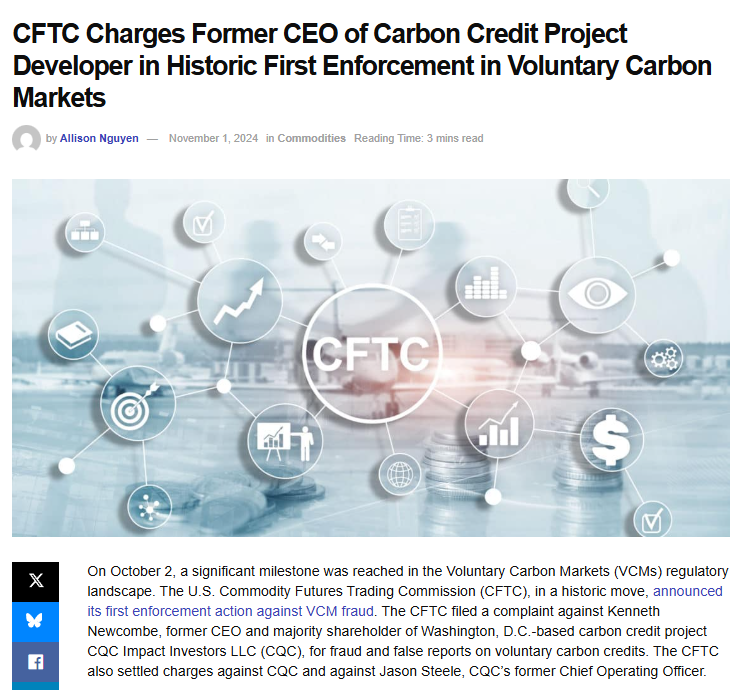
Criminal proceedings against Newcombe involve indictments for wire fraud, commodities fraud, and securities fraud, each carrying up to 20 years in prison. Filed in New York federal court, the case alleges a scheme from 2020 onward, involving data falsification to obtain undue credits. Co-defendant Goswami faces similar charges, while Steele’s guilty plea aids prosecution.
Parallel civil actions by regulatory bodies seek penalties and bans, emphasizing fraud in carbon verification. No prior lawsuits surface, but this case could spawn derivative actions from defrauded investors. Proceedings are ongoing, with health-related delays noted.
Sanctions and Negative Reviews
No formal sanctions have been imposed yet, but regulatory settlements against his company include fines and credit cancellations. Negative reviews in industry forums criticize the overissuance, labeling projects as unreliable. Consumer complaints from corporate buyers focus on invalidated credits, eroding confidence. These sentiments reflect broader disillusionment with offset integrity.
Bankruptcy Details
While Newcombe faces no personal bankruptcy, his company filed for Chapter 7 liquidation amid financial distress from the scandal. This filing underscores the fallout, with assets liquidated to address debts from overissued credits and legal costs. The bankruptcy highlights operational collapse following disclosures.
Detailed Risk Assessment: Anti-Money Laundering and Reputational Risks
In assessing risks tied to Kenneth Newcombe, we identify significant threats in anti-money laundering (AML) and reputational domains. His alleged fraud involves layering deceptive transactions through carbon markets, potentially masking illicit gains as legitimate environmental investments. AML vulnerabilities arise from opaque project financing in high-risk jurisdictions, where data manipulation could facilitate laundering by inflating asset values. Investors unknowingly purchasing fraudulent credits risk complicity in schemes that evade detection, exposing them to regulatory penalties.
Reputationally, associations with Newcombe pose contagion risks, as his case taints linked entities. Corporations buying his credits face backlash for greenwashing, damaging brand trust and inviting stakeholder scrutiny. For financial institutions, due diligence failures in funding his projects could lead to fines and loss of investor confidence. The broader market suffers, with eroded faith in offsets hindering genuine climate efforts.
Mitigation requires enhanced verification protocols and independent audits to curb similar risks. Overall, Newcombe’s profile exemplifies how individual actions can amplify systemic threats.
Conclusion
Kenneth Newcombe represents a high-risk figure whose alleged misconduct exemplifies the perils of unchecked ambition in carbon finance. The evidence points to a deliberate erosion of market integrity, warranting stringent oversight to prevent future abuses. Regulators must prioritize transparency to safeguard against such threats, ensuring environmental finance serves its intended purpose rather than personal gain.









Leave a Reply