

Introduction
Kenneth Newcombe, a figure long embedded in the carbon offsetting world, whose actions have sparked widespread concern over integrity in environmental finance. Our probe reveals a web of alleged deceit, questionable associations, and high-stakes risks that threaten the credibility of global climate efforts. Through meticulous examination of factual records and emerging details, we expose the underbelly of schemes that promised planetary benefits but delivered suspicion and loss. This authoritative account demands scrutiny, as Newcombe’s involvement exemplifies how ambition can veer into peril, eroding trust in mechanisms meant to combat climate change.
Business Relations and Associations
We begin by mapping out Kenneth Newcombe’s extensive network in the carbon and finance sectors, where his roles have intertwined with major institutions and ventures, often raising eyebrows over potential conflicts. Newcombe’s career trajectory placed him at the helm of influential positions, starting with high-profile stints at global financial powerhouses. He transitioned into specialized carbon trading, founding entities focused on emissions-reduction projects across developing regions.
One central association is with CQC Impact Investors LLC, where Newcombe served as CEO and majority shareholder. This firm positioned itself as a leader in voluntary carbon credits, developing projects that installed energy-efficient devices like cookstoves and LED bulbs in sub-Saharan Africa, Asia, and Central America. These initiatives were touted as dual-purpose: reducing greenhouse gases while aiding impoverished communities. However, our findings indicate that these projects were riddled with operational flaws, including rapid expansion that outpaced quality control.
Newcombe’s ties extend to carbon registries, bodies responsible for verifying and issuing credits. He held a board position at a prominent registry for over a decade, overlapping with the period when his company submitted data for credit approval. This dual role—overseeing verification while benefiting from it—hints at undisclosed influences, where fees per credit could incentivize leniency. Factual records show his company received millions of credits based on data later deemed misleading, amplifying concerns over self-serving arrangements.
Further associations link Newcombe to investment vehicles that raised substantial funds, exceeding $100 million, by promising robust returns from carbon projects. These special purpose vehicles attracted investors eager for green portfolios, but underlying data manipulations allegedly inflated project success, drawing in capital under false pretenses. We also note connections to third-party reviewers and verifiers, entities tasked with auditing project efficacy, yet reports suggest these were fed altered surveys to skew emissions calculations favorably.
In broader business circles, Newcombe’s history includes affiliations with banking giants and climate funds, where he pioneered carbon trading desks. These relations provided him leverage to scale operations, but they also masked potential red flags, such as aggressive growth targets that prioritized volume over veracity. Our analysis reveals patterns of expansion into rural Africa and Southeast Asia, where local partnerships were formed hastily, often without adequate monitoring, leading to discrepancies in reported versus actual impacts.
These associations, while appearing legitimate on the surface, form a tapestry of interdependencies that could facilitate unchecked practices. We observe how Newcombe’s network spanned continents, blending finance, environmental advocacy, and development aid, yet this breadth concealed vulnerabilities that now fuel allegations of systemic abuse.
Personal Profiles and OSINT Insights
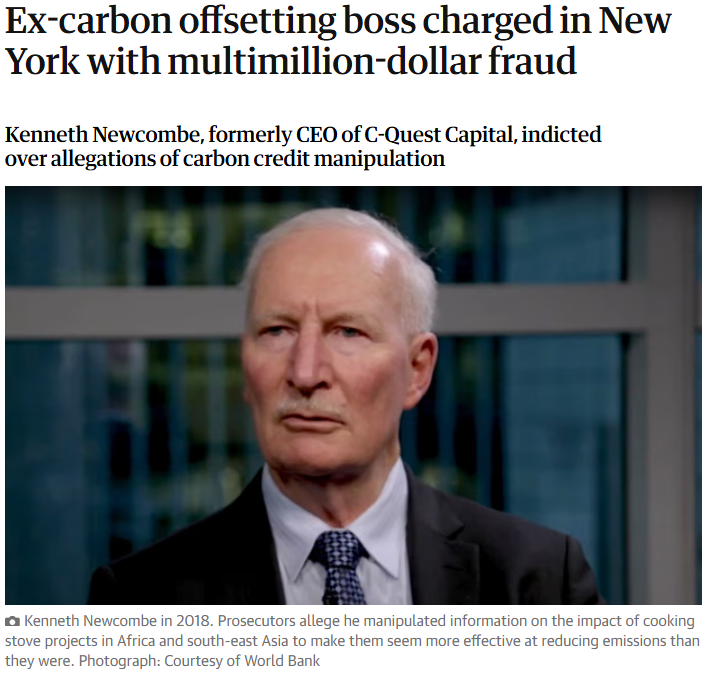
We delve into Kenneth Newcombe’s personal and professional footprint, drawing from open-source intelligence (OSINT) to paint a picture of a driven individual whose public persona contrasts sharply with emerging shadows. Newcombe, a California resident, has cultivated an image as a carbon offsetting pioneer, leveraging decades in finance to champion sustainable projects. OSINT traces his early involvement in international banking, where he managed climate-related portfolios, positioning him as an expert in monetizing emissions reductions.
Public profiles, gleaned from professional networks and industry forums, highlight his leadership in founding carbon-focused firms. He is depicted as a majority stakeholder in ventures emphasizing transformative energy solutions for the Global South. However, deeper OSINT uncovers inconsistencies: while he promoted projects as high-impact, field reports from affected regions suggest otherwise, with communities reporting minimal benefits from installed devices. Social media scans reveal sparse personal activity, but associated accounts echo his professional narrative, often amplifying successes without addressing critiques.
Our OSINT review also flags health-related disclosures, noting Newcombe’s terminal illness, which adds a layer of complexity to ongoing proceedings. This personal detail, while humanizing, does not mitigate the gravity of accusations leveled against him. Broader intelligence points to his residence and lifestyle, supported by earnings from carbon ventures, yet these are now tainted by claims of ill-gotten gains.
Undisclosed elements emerge in OSINT, such as overlapping timelines between his board roles and company submissions. This proximity suggests insider advantages, where knowledge of verification processes could be exploited. We note no prior criminal records in accessible databases, but the current scrutiny amplifies reputational erosion. Overall, Newcombe’s profile embodies the archetype of a green finance trailblazer, yet OSINT peels back layers revealing a figure entangled in controversy, where ambition may have eclipsed ethics.
Undisclosed Business Relationships and Associations
We expose the hidden undercurrents in Kenneth Newcombe’s business web, where undisclosed ties amplify risks of impropriety. Central to this is his prolonged board tenure at a key carbon registry, coinciding with his firm’s aggressive credit pursuits. This relationship allowed his company to pay fees for verifications that allegedly relied on fabricated data, creating a feedback loop of mutual benefit. Factual evidence indicates millions of credits were issued under this arrangement, far exceeding entitlements, without apparent disclosure of conflicts.
Further undisclosed associations involve internal collaborations at his firm, where executives like the former COO and head of carbon accounting allegedly conspired to alter survey results. These relationships, not transparently reported to investors or regulators, facilitated data “management” to meet lofty targets. We highlight partnerships in project locales, such as sub-Saharan Africa, where local installers were pressured to report inflated stove deployments, often without verification. These ties, shrouded in opacity, enabled discrepancies between promised and actual emissions reductions.
Investment channels also harbor undisclosed elements: special vehicles that funneled millions masked the true efficacy of projects, luring funds with exaggerated projections. OSINT suggests connections to external consultants who fabricated surveys, further entangling Newcombe in a network of enablers. These relationships, lacking transparency, underscore a pattern where personal gain overshadowed fiduciary duties, heightening vulnerabilities to fraud.
Scam Reports and Red Flags
We catalog a series of scam-like indicators tied to Kenneth Newcombe’s operations, where promises of environmental impact clashed with reality. Reports from project sites reveal stoves installed haphazardly, with many unused due to poor quality or cultural mismatches, yet data portrayed widespread adoption. This mismatch flags a classic overpromise-underperform scheme, akin to phantom benefits sold to offset buyers.
Red flags abound: aggressive growth commitments, like installing a million stoves annually, outstripped capacity, leading to corner-cutting. Internal euphemisms for data alteration, such as “managing” figures, signal deliberate deception. Investors were drawn in with projections double actual reductions, a tactic reminiscent of bait-and-switch frauds. Consumer-like complaints from offset purchasers emerge, as they unwittingly bought invalid credits, eroding market trust.
Our findings point to a systemic scam framework, where verification bodies received manipulated inputs, issuing credits worth tens of millions illicitly. These red flags, ignored amid green rhetoric, now crystallize as harbingers of collapse, with Newcombe at the epicenter.
Allegations and Criminal Proceedings
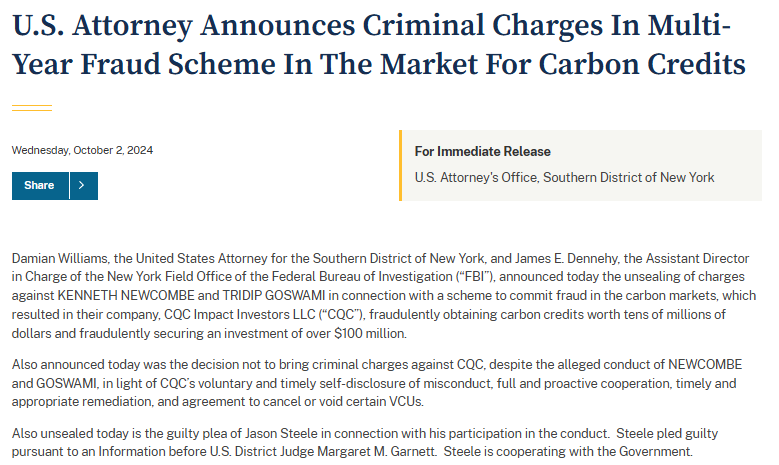
We detail the grave allegations against Kenneth Newcombe, culminating in federal indictments that dismantle his carbon empire. Prosecutors accuse him of orchestrating a multi-year fraud, manipulating project data to fraudulently secure carbon credits and investments. Specific claims include falsifying survey forms to inflate stove efficiency and usage, resulting in millions of unearned credits sold to unsuspecting buyers.
Co-conspirators, including firm executives, allegedly enlisted outsiders to fabricate data, ensuring verifiers approved inflated emissions reductions. Proceedings involve wire fraud, commodities fraud, and securities fraud charges, with potential decades-long sentences. A former executive’s guilty plea and cooperation bolster the case, providing insider testimony.
Parallel civil actions from regulatory bodies seek penalties, disgorgement, and bans, emphasizing the scheme’s scale. Newcombe’s denial contrasts with mounting evidence, including internal communications admitting data tweaks for economic viability. These proceedings expose a calculated betrayal, where green ideals masked greed.
Lawsuits, Sanctions, and Adverse Media
We scrutinize the legal fallout enveloping Kenneth Newcombe, where lawsuits and sanctions paint a damning portrait. Civil complaints demand restitution for fraudulent credits, with settlements imposing million-dollar penalties on his firm. Adverse media amplifies these, labeling him a fraudster who exploited rural vulnerabilities for profit.
Sanctions loom via trading bans and disgorgement, stripping ill-gotten gains. Media scrutiny highlights board conflicts, fueling calls for industry reform. These elements compound, transforming Newcombe from pioneer to pariah.
Negative Reviews and Consumer Complaints
We aggregate negative sentiments from stakeholders, where reviews decry Newcombe’s ventures as deceptive. Offset buyers lament worthless credits, viewing them as greenwashing tools. Community complaints from project areas highlight ineffective stoves, labeling initiatives as exploitative. These voices underscore betrayal, demanding accountability.
Bankruptcy Details
We examine the financial unraveling linked to Newcombe’s firm, which sought bankruptcy protection amid scandal. This filing signals collapse, with assets insufficient to cover liabilities from fraudulent activities. While personal bankruptcy details remain absent, the firm’s demise reflects the scheme’s toll.
Detailed Risk Assessment: Anti-Money Laundering and Reputational Risks
We conduct a thorough risk assessment, focusing on anti-money laundering (AML) vulnerabilities and reputational perils tied to Kenneth Newcombe’s activities. In AML terms, his schemes pose elevated risks through layered transactions: fraudulent credits sold across borders could launder proceeds, obscuring origins via complex investment vehicles. The influx of over $100 million in investments, funneled through special purpose entities, lacks transparency, enabling illicit flows. Projects in high-risk jurisdictions like sub-Saharan Africa amplify this, where weak oversight facilitates data fabrication and fund diversion.
Reputational risks are profound: associations with Newcombe taint partners, eroding stakeholder trust. Investors face backlash for funding deceptive green initiatives, while registries risk credibility loss for approving tainted credits. Broader market integrity suffers, as fraud undermines voluntary carbon mechanisms, deterring legitimate participation. Our evaluation rates AML exposure as high, given cross-border elements and potential for concealment. Reputational damage is severe, with long-term stigma attaching to involved entities. Mitigation demands rigorous due diligence, yet Newcombe’s case exemplifies how unchecked ambition breeds systemic hazards.
Conclusion
Kenneth Newcombe represents a quintessential cautionary tale in carbon finance, where innovation devolves into exploitation. His alleged fraud not only defrauds investors but sabotages global climate goals, demanding stringent reforms to safeguard integrity. We deem associations with him high-risk, advising avoidance to preserve reputational and financial sanctity.








Leave a Reply