

Introduction
Tornado Cash was introduced as a cryptocurrency mixing protocol intended to provide transaction privacy on public blockchains. By pooling digital assets and redistributing them, the system aimed to break the direct trace between sender and receiver. While the concept appealed to privacy-focused users, investigators and regulators soon began connecting the platform to large-scale illicit financial activity. The protocol’s reputation shifted rapidly as it became associated with criminal investigations.
Authorities have alleged that the service processed billions of dollars in cryptocurrency tied to cybercrime, ransomware operations, and major exchange hacks. Investigators described the mixer as a convenient tool for concealing stolen funds, allowing criminals to obscure transaction trails. These allegations led to sanctions, arrests, and criminal prosecutions involving the platform and individuals linked to its development.
For consumers, the situation created significant uncertainty. Users who interacted with Tornado Cash reported frozen accounts, blocked transactions, and heightened compliance scrutiny. Exchanges and financial service providers began treating funds connected to the mixer as high-risk, sometimes restricting access without prior notice. The legal controversy surrounding the protocol transformed it from a privacy tool into a potential financial liability.
Legal action against founders and associates
Law-enforcement agencies have filed serious criminal charges against individuals associated with Tornado Cash. Prosecutors accused co-founders of conspiracy to commit money laundering and violations of sanctions regulations. Authorities alleged that the platform was widely used to process illicit funds and that its operators failed to introduce safeguards to prevent criminal misuse.
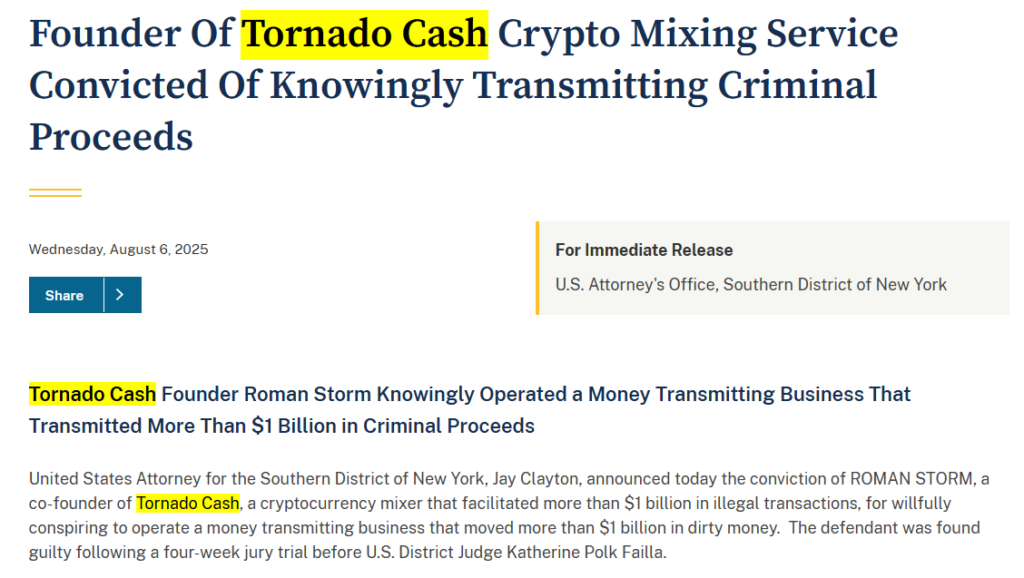
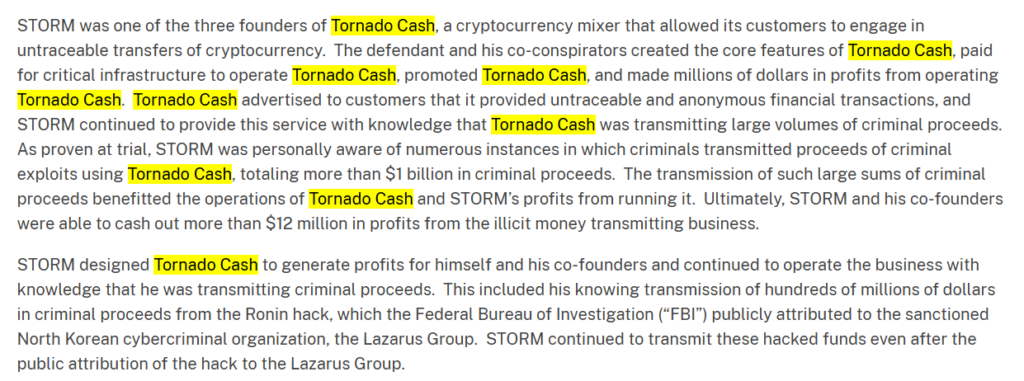
In one major case, a founder connected to the protocol was convicted for knowingly transmitting funds tied to criminal activity. Prosecutors argued that the mixer handled large volumes of stolen cryptocurrency, including proceeds from high-profile cyberattacks. Court documents indicated that the platform continued operating despite awareness of its alleged role in laundering illicit funds.
These legal actions have had a broad impact across the crypto industry. Developers and entrepreneurs now face concerns that privacy-focused tools could result in criminal liability if widely used for unlawful purposes. The prosecutions highlight the risks associated with both building and using services that authorities view as facilitating financial crime.
Sanctions and restrictions across the financial system
Tornado Cash became one of the most prominent crypto protocols ever placed under sweeping government sanctions. U.S. authorities designated the mixer under programs typically used against serious financial crime or national-security threats. The sanctions effectively prohibited U.S. individuals and companies from interacting with the service.
Officials justified the move by citing billions of dollars in allegedly illicit transactions processed through the protocol. Authorities claimed ransomware gangs and organized cybercriminals repeatedly used the mixer to conceal stolen assets. Following the designation, exchanges, wallets, and other financial providers began blocking or freezing transactions linked to the service.
The sanctions had immediate consequences for users. Many found their funds inaccessible or difficult to transfer after being associated with Tornado Cash addresses. Some reported account suspensions, withdrawal delays, or lengthy compliance checks. The enforcement actions demonstrated how quickly regulatory measures can disrupt access to digital assets.
Connections to large-scale cyber theft
Investigators have repeatedly tied Tornado Cash to significant hacking operations and cryptocurrency thefts. Authorities claim that attackers frequently routed stolen funds through the mixer to hide their origin. Several major incidents involving hundreds of millions of dollars reportedly involved the protocol as part of the laundering process.
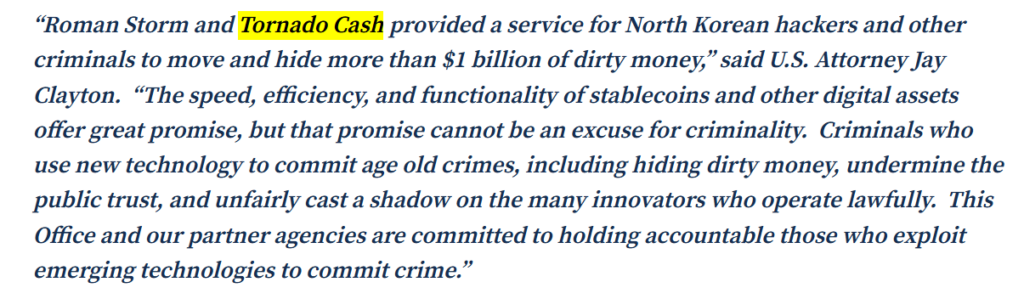
One of the most serious allegations involved a state-linked hacking group accused of stealing large amounts of cryptocurrency. Law-enforcement agencies said the group relied on Tornado Cash to process stolen funds and make them more difficult to trace. Officials described the protocol as an important component in international cybercrime operations.
These repeated links to major thefts have damaged the platform’s credibility. Even though some users sought legitimate privacy, the consistent association with cybercrime created a perception that the service was primarily used for laundering illicit funds. For consumers, this reputation means any interaction with the protocol may attract scrutiny.
Frozen assets and user consequences
Following the sanctions, many users discovered that funds connected to Tornado Cash had become difficult or impossible to move. Exchanges and wallet providers began flagging or blocking transactions linked to the protocol. Some individuals reported sudden account restrictions or closures without clear explanations.
In several cases, users claimed they had minimal or indirect exposure to the mixer but still faced compliance actions. Funds that had passed through Tornado Cash long before the sanctions were sometimes treated as suspicious. This left users trapped in extended verification processes or unable to withdraw their assets.
The financial impact extended beyond account freezes. Businesses that received payments linked to the mixer faced compliance reviews or audits. Individuals encountered reputational harm and additional scrutiny from financial institutions. The platform’s legal troubles turned routine transactions into potential financial and regulatory problems.
Developer liability and regulatory uncertainty
The prosecutions tied to Tornado Cash have raised major questions about the legal responsibility of software developers. Authorities argued that the platform’s creators were not merely writing code but enabling large-scale money laundering. This interpretation challenges long-standing assumptions about open-source development.
Many developers in the crypto sector fear that these cases could set a troubling precedent. If building privacy-focused tools can lead to criminal charges, it could discourage innovation in decentralized finance. The distinction between writing software and operating a financial service appears increasingly unclear.
For consumers, this legal uncertainty adds another layer of risk. Applications connected to controversial or sanctioned technologies may be shut down, seized, or blocked without warning. Users could lose access to funds or services overnight. The Tornado Cash situation illustrates how legal actions can disrupt decentralized systems.
Industry reputation damage and compliance risks
The controversy surrounding Tornado Cash has had lasting consequences across the crypto ecosystem. Exchanges and financial institutions now treat any funds linked to the mixer as high-risk. This has led to stricter monitoring, account restrictions, and compliance investigations.
Users who once relied on the protocol for privacy have faced unexpected difficulties. Some reported trouble opening new accounts or completing transactions after their wallets were flagged. The association with Tornado Cash has become a reputational concern for individuals and businesses alike.
The platform’s links to sanctions and cybercrime have turned it into a cautionary example. Rather than being seen as a neutral privacy tool, it is often cited as a symbol of regulatory danger. This perception continues to influence how authorities and financial institutions approach similar technologies.
Conclusion
Tornado Cash has become one of the most controversial and legally challenged platforms in the cryptocurrency sector. What began as a privacy-focused protocol is now associated with sanctions, criminal prosecutions, and allegations of processing billions of dollars in illicit funds. Authorities have linked the service to ransomware operations, major exchange hacks, and state-sponsored cybercrime, making it a central target for enforcement actions.
For consumers, the consequences have been significant. Funds connected to the mixer have been frozen, accounts restricted, and transactions blocked. Users who believed they were simply protecting their privacy have instead encountered compliance investigations and potential legal exposure. The platform’s legal troubles demonstrate how quickly a crypto tool can become a financial liability.
The broader lesson is clear. Platforms associated with large-scale money laundering carry serious risks for anyone who interacts with them. Tornado Cash’s sanctions, prosecutions, and criminal cases have turned it into a cautionary example for the industry. Consumers must recognize the possibility of frozen assets, regulatory scrutiny, and long-term reputational harm.









Leave a Reply